

Material prepared in collaboration with SUNSTAR scientific experts:
Rachel Chau (DDS), Senior Manager of Scientific Affairs,
and Martin Verhulst (PhD), Medical Relations Manager.
Periodontitis and Cardiovascular Diseases: What Science Says
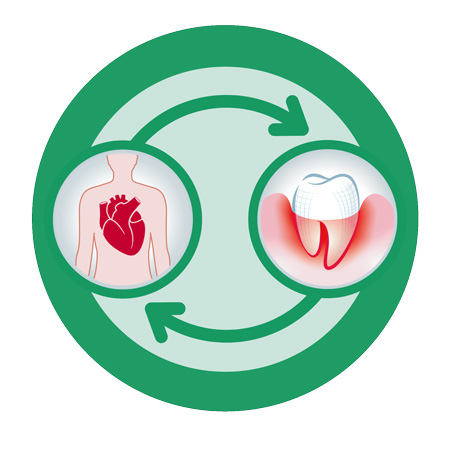
Modern medical research increasingly points to a close link between gum disease and the state of the cardiovascular system.
In 2019, the Journal of Clinical Periodontology published the results of a large-scale analysis confirming that patients with chronic periodontitis are significantly more likely to be diagnosed with the following conditions:
- heart and blood vessel diseases;
- ischemic heart disease;
- myocardial infarction;
- stroke and other cerebrovascular disorders;
- peripheral vascular disease;
- arrhythmia (including atrial fibrillation) and heart failure.
Mechanisms of How Inflamed Gums Affect the Heart
Scientists identify two main pathways through which gum disease negatively impacts the cardiovascular system:
- Bacteremia. Pathogenic microorganisms from the oral cavity can penetrate directly into the bloodstream, spreading throughout the entire body.
- Chronic systemic inflammation. A constant inflammatory process in the gum tissues forces the immune system to remain in a state of high activity. The inflammatory mediators produced in this process travel through the bloodstream, reaching the vessels and causing damage to them.
Simple Prevention — Real Heart Protection
As it turns out, regular oral hygiene can significantly reduce the risk of atherosclerosis. Researchers from the Journal of Clinical Periodontology noted that those who brush their teeth responsibly are significantly less likely to experience vascular problems.
Key Recommendations:
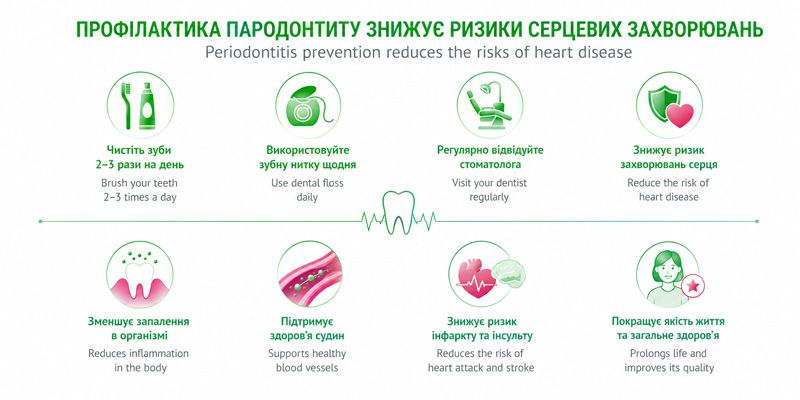
- Brush teeth with a toothbrush two to three times a day and use dental floss or an interdental irrigator daily.
- Routinely undergo professional dental cleanings at the dentist's office.
- Do not skip scheduled check-ups with your doctor.
- Promptly address any signs of gum inflammation.
Tooth Brushing and Heart Attack Risk: Specific Figures
Scientists calculated the predicted 10-year risk of developing atherosclerotic heart disease depending on the frequency of oral hygiene procedures:
- 13.7% risk — for those who do not brush their teeth or do it only once a day;
- 9.1% risk — for those who brush their teeth twice a day;
- 7.3% risk — for those who brush their teeth three or more times a day.
The conclusion is simple: brushing twice and, especially, three times a day noticeably reduces the level of systemic inflammation in the body. Lower inflammation means healthier blood vessels and a healthier heart.
Electric Toothbrush as a Preventive Tool for Hypertension
It turns out that not only the frequency but also the tool used for brushing matters when it comes to controlling blood pressure.
A large-scale study was conducted in Italy involving 4,506 volunteers from 733 pharmacies across the country. The average age of the participants was 66 years. Each participant had their blood pressure measured and was asked to fill out a detailed questionnaire regarding their hygiene habits and dental health.
What the results showed:
- Among the participants, 47.6% brushed their teeth three times a day; an electric toothbrush was used by one in four (23.4%).
- Those who brushed their teeth three or more times a day had a 19% lower risk of hypertension compared to those who brushed less frequently.
- Using an electric toothbrush reduced the likelihood of high blood pressure by 28% compared to using a regular manual toothbrush.
Therefore, switching to an electric toothbrush and brushing three times a day is a practical way to support healthy blood pressure.
Oral Hygiene Saves Lives Even with Diagnosed Heart Conditions
Particularly important results were obtained by scientists who observed patients with pre-existing cardiac issues.
A long-term study involved 256 individuals with ischemic heart disease and 250 healthy individuals (average age — 60 years). The observation period lasted nearly 19 years (18.8 years). The analysis adjusted for age, smoking, diabetes, and blood pressure levels.
Conclusion: even in patients with confirmed ischemic heart disease, high-quality and regular oral hygiene significantly reduced the long-term risk of death from heart attacks.
Material prepared in collaboration with SUNSTAR scientific experts: Rachel Chau (DDS), Senior Manager of Scientific Affairs, and Martin Verhulst (PhD), Medical Relations Manager.
- Automatic tonometer Microlife BP A2 Basic with adapter
- Automatic tonometer on cuff VEGA 810A with Afib technology
- Automatic digital tonometer VEGA BP106A
- Electric toothbrush GUM Sonic Daily
- Electric toothbrush GUM Sonic Sensitive 4101MPK
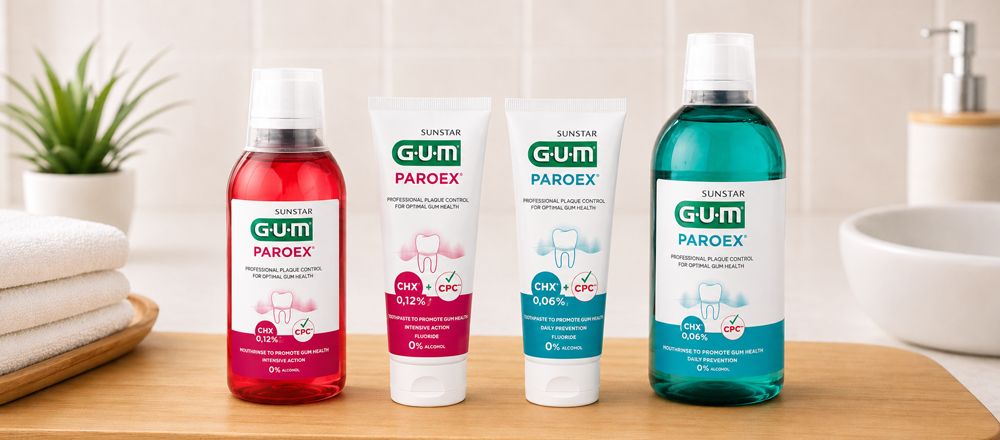
- GUM Paroex 0.06% mouthwash gingivitis and periodontitis
- GUM Paroex 0.12% CHX mouthwash after surgical interventions
- GUM Paroex 0.06% CHX toothpaste for plaque prevention, 75 ml
- GUM PAROEX 0.12% CHX toothpaste for oral diseases, 75 ml