

Microlife tonometers are quality according to the highest standards.
Clinical research - what is it?
Tonometers must be clinically tested before being sold on the market. In the course of clinical studies, the accuracy of tonometer measurements is checked in subjects who meet certain criteria (classification of blood pressure, age, gender, pre-existing diseases, etc.).
Basic checks
The main check is carried out on a group of subjects who represent "the average population without any previously diagnosed chronic diseases." The greater the number of subjects, the more statistically significant and more reliable the test. The main checks can be based on the test protocols of the following institutions:

There are differences between the test protocols of different institutions; for example, regarding group size.

Another difference in the tested blood pressure ranges:
The blood pressure ranges in which tonometers are tested for accuracy differ depending on the protocol (see Schedule). The wider the range, the better the devices are tested for reliability at extremely low or extremely high blood pressure.
Special patient checks
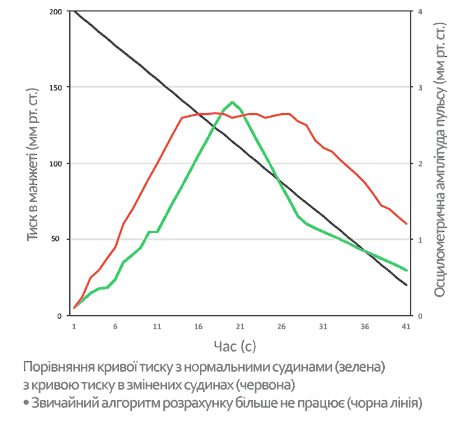
Due to the method used in automated oscillometricx tonometerss, they may be inaccurate when used in so-called special patient groups.
This may result in a sphygmomanometer tested in "normal subjects" not being accurate when used, for example, during pregnancy or in children, the elderly or diabetic patients.
This can have serious clinical consequences. Therefore, health authorities require that a tonometer be recommended for some special group of patients only if it has been tested for that particular group. Microlife tonometers have passed several complex tests so that they can now be recommended for all the following groups of patients.
Microlife shoulder cuff blood pressure monitors are always a good choice. They are specifically approved for the following patient groups:

Diabetes
Patients with type 1 and type 2 diabetes may have stiff arteries that can affect blood pressure measurements. A recent study in patients with type 1 and type 2 diabetes showed that Microlife tonometers are accurate when used in this patient group.

Pregnancy and preeclampsia
Most oscillometric tonometers incorrectly determine blood pressure in preeclampsia. For this reason, oscillometric tonometers should be specifically tested in this special group of patients. Tests have shown that Microlife allows pregnant women to measure their blood pressure at home, allowing for less hospital visits while keeping motherhood safe.

End-stage renal failure
Patients with moderate and severe renal failure have a very high frequency of hypertension, combined with hard (calcified) arteries. Because automatic measurements may depend on stiff arteries, special validation is required before tonometers are recommended for use in patients with end-stage renal disease.

Children
Since children have a high respiratory rate and can hardly sit still, a tonometer with a high-quality algorithm that can filter out these artifacts is necessary. In addition, a wide range of cuffs is necessary, which can be attached to hands of different sizes. Microlife tonometers have proven to cover all these aspects and can therefore be recommended for children and adolescents aged 3 to 18 years (Microlife Watch BP Office and O3 Ambulatory) and 12 to 18 years (all Microlife automatic shoulder cuff tonometers and Watch BP Home).