
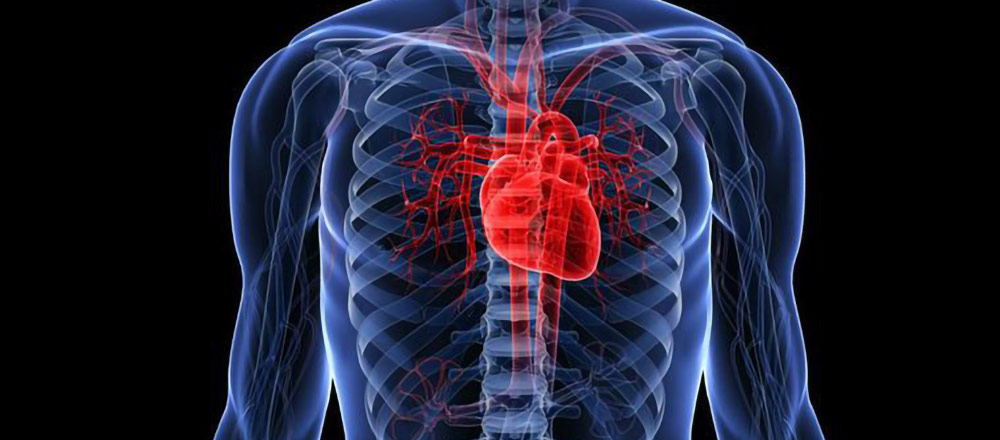
When the heart contracts, it pushes blood into the arteries, creating pressure fluctuations. The elastic walls of the arteries help to soften these fluctuations, which allows the body to maintain stable blood circulation. The aorta, the main artery, is flexible enough to absorb sudden pressure surges and distribute them evenly throughout the body. This reduces the load on the vessels of the brain, heart, and kidneys, improving their blood supply.
In addition, elastic arteries create a pulse wave that spreads throughout the circulatory system. Reflected waves arise along its path, which amplify the pulse wave from the center of the body to its periphery. As a result, the pressure in the arteries on the periphery (in the arms and legs) is higher than in the aorta. This is important for maintaining normal blood flow in the capillaries, which is necessary for the normal functioning of the body.
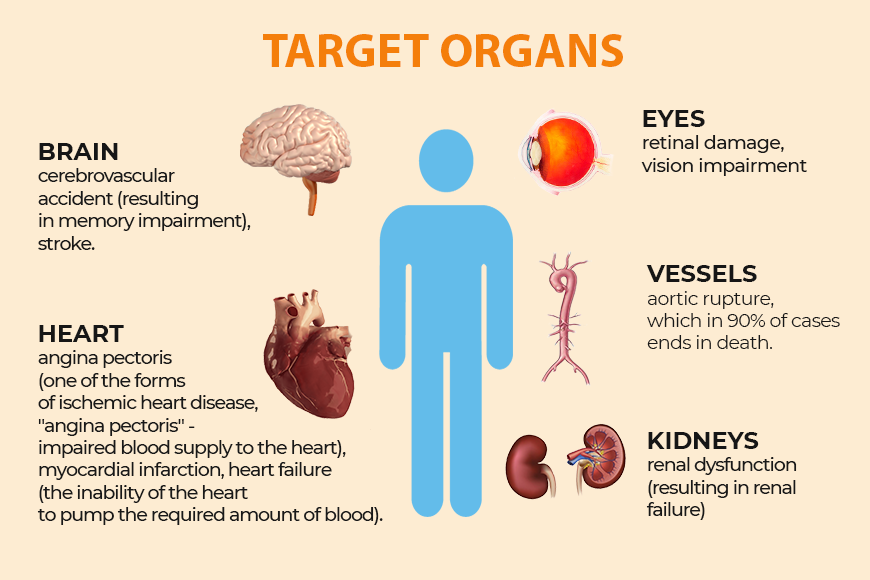
However, with age, the flexibility of the arteries decreases. Although the volume of blood ejected by the heart remains the same, the arteries lose the ability to soften pressure fluctuations. This leads to an increase in the speed of pulse wave propagation. As a result, the reflected wave returns faster and with greater force, which increases systolic pressure in the aorta and decreases diastolic pressure, increasing the difference between these indicators. This has a negative effect on the vessels of the brain and heart, reducing their blood supply and increasing the need for oxygen.
Studies using magnetic resonance imaging have shown that high pulse flow in the vessels of the brain is associated with the occurrence of damage to the white matter, which is called "pulse wave encephalopathy." Similar changes are found in the kidneys, where such damage can lead to thrombosis and microinfarctions due to damage to the vessels at the microscopic level. These processes may be associated with an increase in the concentration of inflammatory markers, such as C-reactive protein, in the blood of older people with increased pulse wave velocity.
Arterial stiffness also affects the blood supply to the heart. It can cause myocardial ischemia (insufficient blood supply to the heart), even if the heart arteries are not affected by atherosclerosis. Increased aortic stiffness contributes to an increase in central systolic pressure and a decrease in diastolic pressure. Early return of the pulse wave increases the pressure at the end of systole, which slows down the relaxation of the myocardium in diastole. This can lead to left ventricular hypertrophy (thickening of the heart walls), which further worsens cardiac function, reducing the duration of diastole and increasing the myocardial oxygen demand.
Microlife tonometers with shoulder cuff is always a good choice for those who cane< em> have stiff arteries that can affect blood pressure measurements.