Have you ever felt a sharp flash of pain from a spoonful of ice cream or a hot drink? This is no coincidence — it is a warning signal sent by your body. Tooth hypersensitivity (or sensitive teeth) is much more common than people think, yet few understand what lies behind this symptom and how to manage it.
What Happens Inside the Tooth?
The tooth's outer protective layer — enamel — is one of the strongest materials in the human body. However, under certain conditions, it gradually thins out, exposing dentin, the porous tissue underneath. It is through these microscopic dentin tubules that cold, heat, or acids reach the nerve endings, triggering a sharp, short-lived pain.
Main Causes of Enamel Erosion
The most common risk factors include:
-
Improper brushing technique: Using a toothbrush that is too hard or applying excessive pressure gradually wears down the enamel.
-
Acidic and sugary diet: Citrus fruits, carbonated drinks, and vinegar aggressively attack the protective layer.
-
Bruxism: Clenching or grinding your teeth during the night or day gradually wears out the enamel.
-
Natural aging: Over the years, enamel naturally thins, regardless of your oral care routine.
5 Steps to Protect Enamel: Daily Prevention
-
Cut down on acidic foods and rinse your mouth with plain water after consuming them.
-
Control your sugar intake — oral bacteria turn sugar into acid, which damages both enamel and gums.
-
Choose a soft-bristled toothbrush and brush your teeth without excessive pressure, using gentle, circular motions.
-
Avoid sudden temperature contrasts — allow hot and cold drinks to come closer to room temperature.
-
If you suffer from bruxism, get a custom nightguard from your dentist to protect your teeth from grinding while you sleep.
What to Do If You Already Experience Sensitivity?
If discomfort has already become a regular companion during meals, gentle brushing alone is not enough. Here is your action plan:
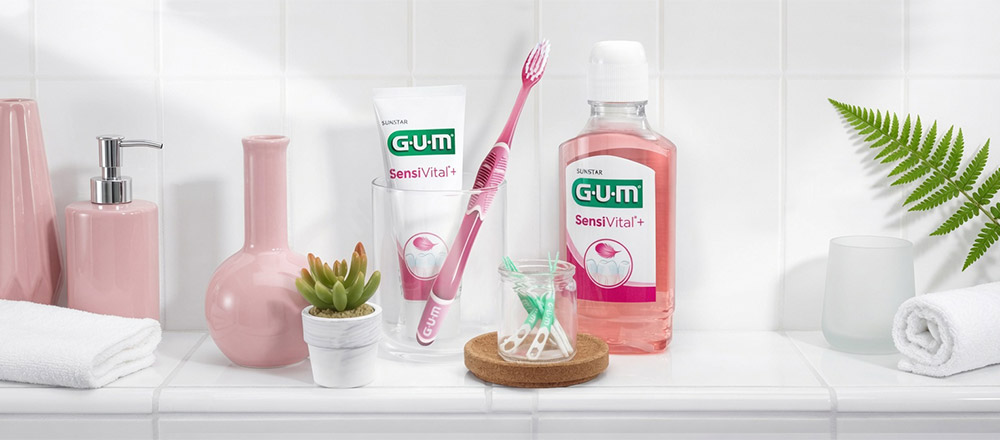
- Switch to a specialized toothpaste. For instance, the GUM SensiVital range contains ingredients that block dentin tubules and reduce the transmission of pain signals to the nerve.
- Visit your dentist. A professional can perform remineralization treatments or apply a protective varnish — procedures that restore the tooth's defensive barrier.
It is important to understand: tooth hypersensitivity is neither normal nor a minor issue. It is the first warning sign from your body. The sooner you address it, the simpler the treatment will be, and the lower the risk of irreversible enamel damage.