
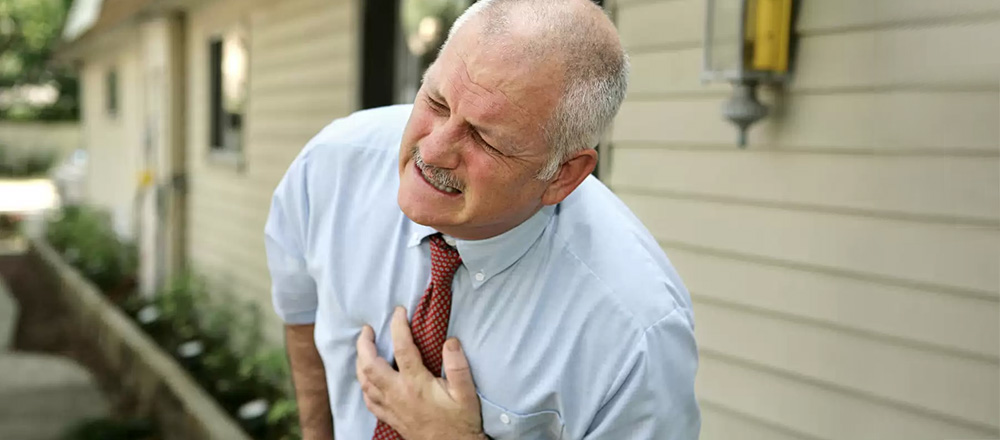
In movies, heart attacks are often depicted as a sudden drop, chest tightness, and fainting. Such scenes create a false perception of the real symptoms, which can differ between men and women.
A study published in the Journal of the American Heart Association analyzed 100 heart attack scenes in movies from 1932 to 2022. It found that 90% of these scenes depicted men, mostly Caucasian. Women and people of other ethnicities were rarely shown in such situations. This could lead to an underestimation of the risk of heart attacks in women, who often have less obvious symptoms.
Real symptoms of a heart attack
The film industry often creates a distorted view of heart attacks by focusing on classic symptoms that typically occur in men. This can lead to people not recognizing the real signs of a heart attack, especially in women, whose symptoms may be less obvious and different from those of men.
It is important to remember that the actual manifestations of a heart attack can vary.
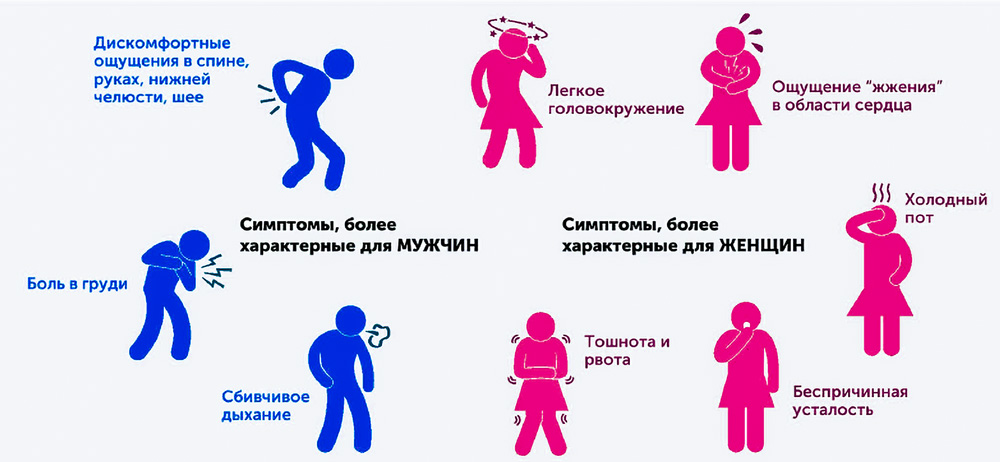
- Discomfort in the center of the chest – pain, pressure, or tightness that lasts for a few minutes or goes away and comes back.
- Pain or discomfort in other parts of the body – arm, back, jaw, neck or stomach.
- Dyspnea, even without chest pain.
- Nausea, cold sweat, dizziness.
In women, heart attacks are more likely to be accompanied by shortness of breath, weakness, nausea, back or jaw pain rather than classic chest pain. Lack of awareness of these symptoms can lead to delayed medical care.
Blood pressure control and prevention
High blood pressure is one of the main risk factors for heart attack. Regular blood pressure monitoring helps to detect hypertension in its early stages and adjust lifestyle or treatment in time. Important:
- Measure blood pressure regularly and keep records of indicators.
- Eat a healthy diet – reduce your intake of salt, saturated fats, and processed foods.
- Engage in physical activity – at least 150 minutes of moderate exercise per week.
- Avoid stress and ensure quality sleep.
- Take medications prescribed by a doctor.if there are indications.
Early recognition of heart attack symptoms and immediate medical attention can save lives.
Conclusion
One of the causes of myocardial infarction is high blood pressure, so blood pressure monitoring with MICROLIFE blood pressure monitors and preventive measures such as a healthy lifestyle, proper nutrition, and regular physical activity will help reduce the risk of cardiovascular disease.