
How much toothpaste do you really need? WHO recommendations for children and adults
Many people are accustomed to applying toothpaste along the entire length of the toothbrush bristles; this is how it is most often depicted in advertisements. However, recommendations from the World Health Organization (WHO) and international dental organizations indicate that a significantly smaller amount of toothpaste is sufficient for effective daily dental care.
Proper dosage is particularly important for children, as they may swallow some toothpaste while brushing at a young age. Using the recommended amount of fluoride toothpaste helps prevent cavities while simultaneously minimizing the risk of excessive fluoride intake.
Why the amount of toothpaste matters
Fluoride is one of the most important ingredients in modern toothpastes. Its effectiveness in preventing cavities has been confirmed by numerous clinical studies. Fluoride promotes enamel remineralization, increases resistance to acid, and helps prevent the development of cavities.
At the same time, it is important to control the amount of toothpaste used by young children, as regularly swallowing large quantities of fluoride toothpaste can increase the risk of developing dental fluorosis during the period when permanent teeth are forming.
That is why the WHO recommends using an amount of fluoride toothpaste appropriate for the child's age. Recommended Toothpaste Dosage by Age
The WHO and international dental guidelines recommend the following dosages:
|
Age |
Recommended Amount |
|
Under 3 years |
A thin smear of toothpaste, roughly the size of a grain of rice |
|
3 to 6 years |
A pea-sized amount of toothpaste |
|
6 years and older |
A pea-sized amount of toothpaste |
It is worth noting that even for adults, there is no need to apply toothpaste along the entire length of the toothbrush bristles. A small amount is sufficient for effective daily cleaning.
Why Advertising Is Misleading
Depicting a thick strip of toothpaste covering the entire length of the brush is a marketing tactic rather than a medical recommendation. While this method of application looks impressive, it does not improve cleaning effectiveness.
What the Correct Amount Looks Like
Under 3 years — "grain of rice"
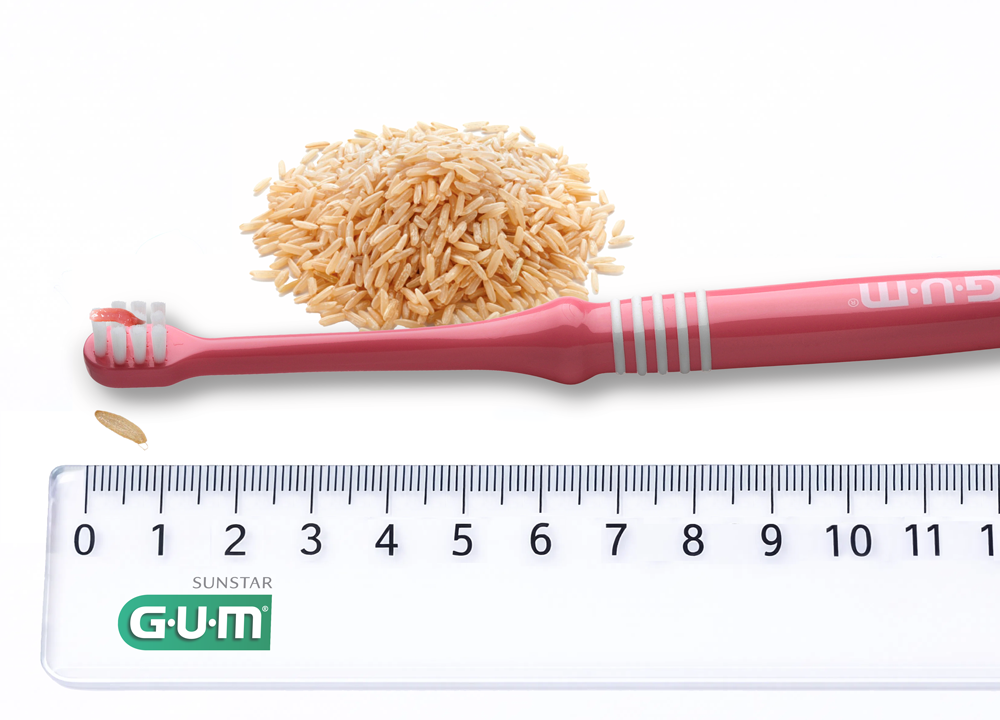
For infants and young children, using only a thin smear of toothpaste is recommended. This amount provides the necessary preventive benefit while minimizing the quantity of toothpaste the child might swallow.
3 to 6 years — "pea-sized"
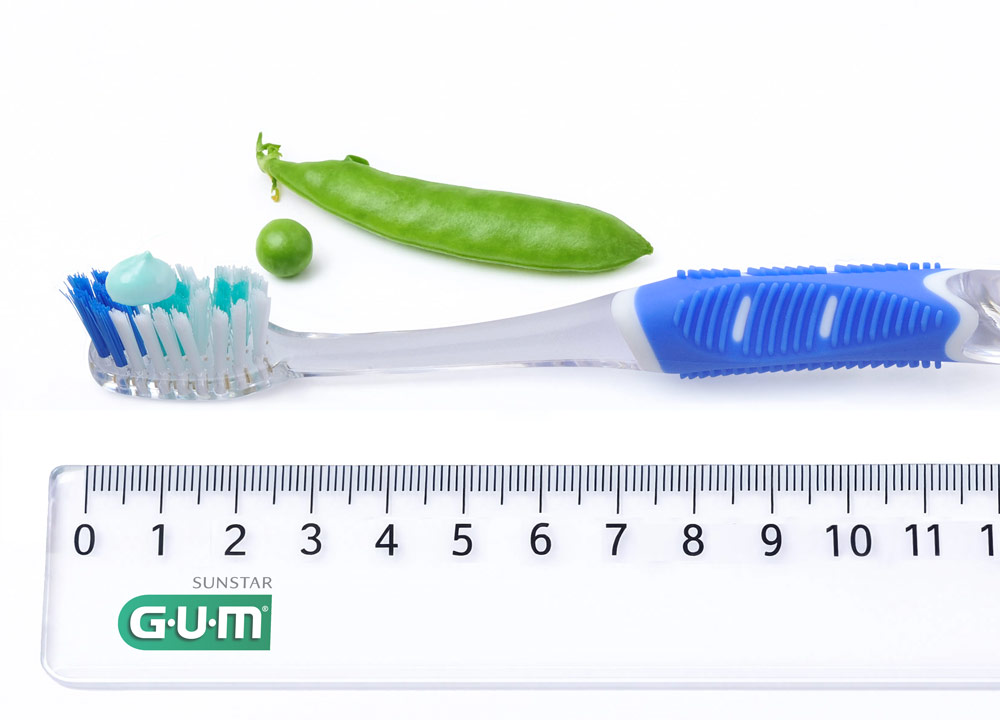
By preschool age, a child has better control over the brushing process but still requires adult assistance or supervision. A pea-sized amount is considered optimal for daily use.
6 years and older — also "pea-sized"
After the age of six, most children are able to properly spit out the remaining toothpaste after brushing. For teenagers and adults, the same amount remains sufficient—approximately the size of a pea.
In reality, the effectiveness of brushing depends primarily on:
- the regularity of the routine;
- proper brushing technique;
- the duration of brushing (approximately two minutes);
- the use of a high-quality toothbrush and appropriate toothpaste.
The role of parents in a child's dental care
For young children, adult supervision is just as important as the choice of toothpaste. Parents are advised to:
apply the toothpaste to the brush themselves;
ensure the child does not swallow the toothpaste;
assist with brushing or supervise the process until the child masters the correct technique.
Other WHO recommendations
In addition to the correct amount of toothpaste, other daily oral hygiene practices are important:
- brushing teeth twice a day;
- using fluoride toothpaste;
- avoiding rinsing the mouth with large amounts of water after brushing—instead, simply spitting out the excess paste so the fluoride remains in contact with the enamel longer;
- visiting the dentist regularly for preventive check-ups.
Conclusion
For most people, a pea-sized amount of toothpaste is sufficient, while for children under three years of age, a thin smear the size of a grain of rice is recommended. This approach aligns with current WHO recommendations and international principles of cavity prevention. Using the correct amount of toothpaste is a simple habit that helps ensure effective daily dental care, fosters healthy hygiene habits in children, and maintains oral health at any age.
This material is based on World Health Organization (WHO) recommendations regarding the use of fluoride toothpaste and current international guidelines for preventing tooth decay in children and adults.