
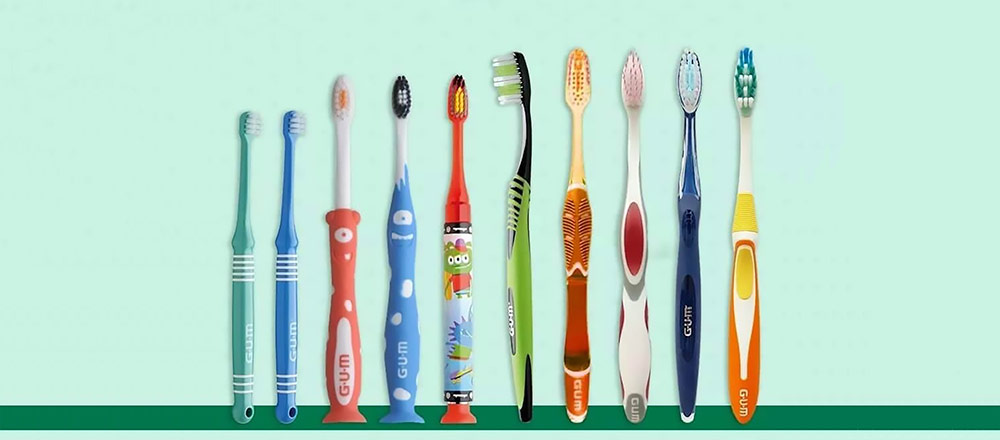
A toothbrush is the main tool in daily oral hygiene. Choosing the right brush depends on the condition of your teeth and gums, as well as personal preference. Choosing the right brush affects the health of your teeth and gums, so it's important to consider a few key factors when choosing a brush.
1. Bristle Stiffness
- Soft: Ideal for sensitive teeth and gums, suitable for children and the elderly.
- Medium: A versatile option for adults without too many oral problems.
- Hard: suitable for fighting dense plaque (as recommended by your dentist).
2. Bristle material
Toothbrush bristles are made from a variety of materials, each with its own features and benefits. Key materials include:
- Nylon: The most common material for bristles. Nylon bristles are durable, elastic and resistant to moisture.
- Polyester: Polyester bristles have smaller pores, which reduces bacterial buildup and allows for more hygienic use. Polyester is also durable and soft, making it suitable for people with sensitive gums.
- Polybutylene terephthalate (PBT): This material absorbs virtually no water, so the bristles from it do not absorb toothpaste fractions and moisture. PBT bristles remain straight and do not fry over time, providing gentle cleaning without injuring the gums.
- Nanorubber: An innovative material that ensures gentle and effective cleaning of teeth. Nanorubber bristles do not injure the enamel and gums, which makes them suitable for people with hypersensitivity.
- Natural bristles: Pork bristles were used in the past, however, due to their tendency to bacteria buildup and rapid wear, they have almost disappeared from modern toothbrushes.
The choice of bristle material should be based on the individual needs and recommendations of the dentist to ensure optimal oral hygiene and comfort during use.
3. Head size
The optimal size of the head is considered to be one that allows you to cover 1-2 teeth at a time and depends on the individual characteristics of the oral cavity and the preferences of the user. This is especially important for maneuverability and thorough cleaning of hard-to-reach places.
- Small Head: Provides access to hard-to-reach areas such as back teeth and reduces the risk of gum injury.
- Larger head: Allows you to clean larger surfaces of your teeth faster, but may be less comfortable to access the back areas.
When choosing a toothbrush, it is recommended to consider the size of the oral cavity and personal preferences to ensure comfortable and effective teeth cleaning.
4. Handle Shape
Toothbrush handles come in a variety of shapes and designs, each designed to provide maximum comfort and efficiency when brushing your teeth. The main options include:
- Straight handle: A classic option suitable for most users. Provides a standard grip and control during cleaning.
- Curved Handle: Multi-angle curved design for easier access to hard-to-reach areas of the mouth, especially the back teeth.
- Ergonomic handle: Follows the contours of the hand, provides a comfortable and secure grip, reducing hand fatigue when cleaning.
- Handle with thickening or rubberized inserts: These elements prevent the brush from slipping in your hand, especially in wet conditions, providing more reliable control.
- Foldable handle: Ideal for travel, it provides compactness and protection of the bristles from dirt.
The choice of the shape of the toothbrush handle should be based on individual preferences, anatomical features and needs of the user, ensuring comfort and efficiency in oral care.
5. Additional features
Modern toothbrushes are equipped with a variety of additional features that increase the efficiency and comfort of oral care.
- Multi-level bristles: Bristles of different lengths and hardness provide a more thorough cleaning of teeth and interdental spaces, effectively removing plaque and food debris.
- For orthodontic designs: Orthodontic brushes have a V-shaped bristles to make it easier to care for your braces.
- Bristle Wear Indicators: Some models have bristles that change color as they wear out, reminding you to replace the brush head.
- Massage elements: Some brushes are equipped with rubber inserts for massaging the gums, which helps to improve blood circulation and strengthen the gums.
- Polishing elements: Some models have special elements for polishing teeth, which helps to remove surface stains and add shine to the teeth.
- Tongue scrapers: Often the brushes are equipped with tongue scrapers that help remove bacteria and freshen breath.
When choosing a toothbrush, it's a good idea to consider the availability of these features, depending on your needs and your dentist's recommendations.
Modern brands such as GUM, PRESIDENT and others offer a wide range of brushes for different needs, which simplifies the oral care process.