
Angina is a serious cardiovascular disease characterized by episodes of chest pain or discomfort. These attacks occur due to insufficient oxygen supply to the heart muscle.
Causes of angina:
- Coronary artery disease: This is the primary cause. Atherosclerotic plaques narrow the arteries, restricting blood flow.
- Coronary artery spasm: Less common, but can trigger attacks.
Risk factors:
- High blood pressure
- High cholesterol
- Diabetes
- Smoking
- Obesity
- Sedentary lifestyle
- Stress
- Age
- Family history of heart disease
Symptoms of angina: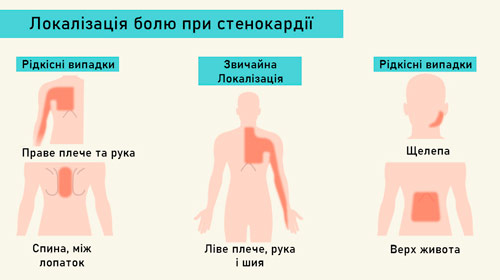
- Chest pain or discomfort: May feel like pressure, squeezing, burning, or tightness.
- Pain radiating to: Left arm, shoulder, neck, or jaw.
- Shortness of breath
- Heart palpitations
- Weakness
- Dizziness
- Nausea
- Sweating
Types of angina:
- Stable angina: Attacks occur with physical exertion or stress.
- Unstable angina: Attacks occur spontaneously, even at rest. Signals a high risk of heart attack.
- Vasospastic angina (Prinzmetal's angina): Caused by spasms of the coronary arteries.
Diagnosis of angina:
- Electrocardiogram (ECG): Detects changes in heart function.
- Stress test: Evaluates the heart's response to physical exertion.
- Echocardiography: Assesses the structure and function of the heart.
- Coronary angiography: Visualizes the coronary arteries to detect narrowings or blockages.
Treatment of angina:
- Medication: Nitrates, beta-blockers, statins, anticoagulants.
- Invasive procedures:
- Angioplasty: Widening narrowed arteries.
- Bypass surgery: Creating new blood flow pathways.
- Lifestyle changes: Diet, exercise, quitting smoking.
Prevention of angina:
- Control risk factors: Blood pressure, cholesterol, blood sugar.
- Healthy lifestyle: Balanced diet, regular exercise, no smoking.
- Regular medical check-ups.
Important: Angina is a serious condition that requires timely diagnosis and treatment. If you experience any symptoms, consult a cardiologist.