According to the World Health Organization, dental caries is the most common chronic disease among children worldwide, affecting 60–90% of young patients. At the same time, dental professionals agree that this condition is highly preventable, and a well-structured oral care routine can protect children from the very beginning. Experts in the field — Dr. Silvia Sabatini and Dr. Luis Karakovsky — have shared key principles that can help parents build a strong foundation for their children’s oral health.
When Should a Child First Visit the Dentist?
Modern pediatric dentistry supports children from birth through adolescence and into adulthood, up to the age of 18. Its role extends far beyond treating cavities. The primary goal is to establish healthy habits, build trust in dental professionals, and help children understand the value of their own health.
“I would rather talk about promoting health than preventing disease,” emphasizes Dr. Sabatini, a dental hygienist from Italy. “Pediatric dentistry gives me a unique opportunity to lay the foundation for a healthy lifestyle at an early age.” This is why regular preventive dental visits are not excessive caution but an essential part of maintaining a child’s oral health.
Early Childhood Caries: Why Is It So Serious?
Early childhood caries is diagnosed when a child under the age of six has one or more decayed, missing, or filled teeth due to dental caries.
This condition can have significant consequences:
- Rapid progression: Primary tooth enamel is much more vulnerable than permanent enamel, allowing decay to develop quickly.
- Reduced quality of life: Children may experience pain, sleep disturbances, and discomfort, while treatment often requires considerable time and financial resources from the entire family.
- Preventability: With the right preventive measures, dental caries can often be avoided altogether.
Three Levels of Prevention
-
Primary prevention – educating parents, limiting sugar intake, and maintaining daily oral hygiene.
-
Secondary prevention – early detection of initial signs of disease during routine dental examinations.
-
Tertiary prevention – treatment of advanced disease through conservative or surgical interventions, depending on severity.
Main Risk Factors for Infants
- Early exposure to hidden sugars found in juices, sweet teas, and fruit drinks.
- Frequent snacking throughout the day without sufficient breaks.
- A sweetened bottle before bedtime or during the night.
- Prolonged nighttime breastfeeding combined with inadequate oral hygiene.
Recommendations for Parents of Infants
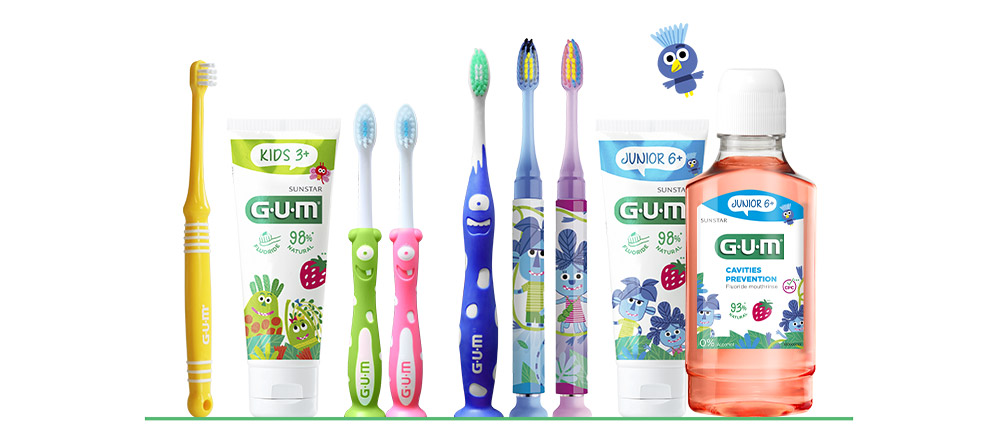
- As soon as the first tooth erupts (usually around six months of age), make toothbrushing part of the daily routine. For example, use a soft toothbrush such as the GUM KIDS BABY MONSTER 213MB, designed to gently care for delicate enamel.
- Choose feeding bottles with a soft spout that fits comfortably against the lips.
- Once complementary foods are introduced, carefully monitor both the frequency and composition of your child’s diet.
Molar-Incisor Hypomineralization (MIH): When Sugar Is Not the Cause
Not all dental problems are related to diet. Molar-Incisor Hypomineralization (MIH) is a developmental enamel defect that affects approximately one in seven school-aged children worldwide (13.5%). It develops while permanent teeth are forming and is unrelated to brushing habits or oral hygiene practices. Although MIH cannot be prevented, its effects can be managed through early diagnosis and appropriate care.
Parents should pay attention to any changes in tooth color, including white, yellow, or brown spots. When MIH is diagnosed, dentists generally follow the most conservative and minimally invasive treatment approach possible.
To support enamel health during this stage:
- Children aged 3–6 years: GUM Kids Monster toothbrush and GUM KIDS gel for children aged 2–6 years.
- Children aged 7–12 years: GUM JUNIOR Strawberry toothpaste gel and the interactive GUM Junior Monster Light Up toothbrush, which flashes to help children brush for the recommended amount of time.
Teenagers and Braces: A Special Risk Area
Adolescence presents unique challenges for oral health. Orthodontic appliances such as braces and trainers create numerous hard-to-reach areas where plaque can easily accumulate. This can lead to demineralization, often visible as “white spot lesions,” which are the earliest signs of tooth decay.
A recommended oral care routine during orthodontic treatment includes:
- Interdental cleaning: Innovative Soft Picks or classic GUM TravLer interdental brushes effectively remove food debris from difficult-to-access areas.
- Orthodontic appliances: The GUM Sonic Ortho sonic toothbrush uses vibrating movements to thoroughly clean around brackets and wires.
- Daily protection: GUM Ortho toothpaste and GUM ORTHO mouthwash help strengthen enamel and reduce the risk of gum inflammation.
Healthy Teeth Are the Result of Teamwork
A healthy child’s smile is always the result of a collaborative effort. Parents provide proper oral care at home and encourage healthy eating habits, while dental professionals perform regular examinations and provide expert guidance and treatment. Together, they create a strong foundation for lifelong oral health.
Start caring for your child’s smile today—every preventive step taken now is more valuable than any treatment needed tomorrow.